 Image 1 of 1
-
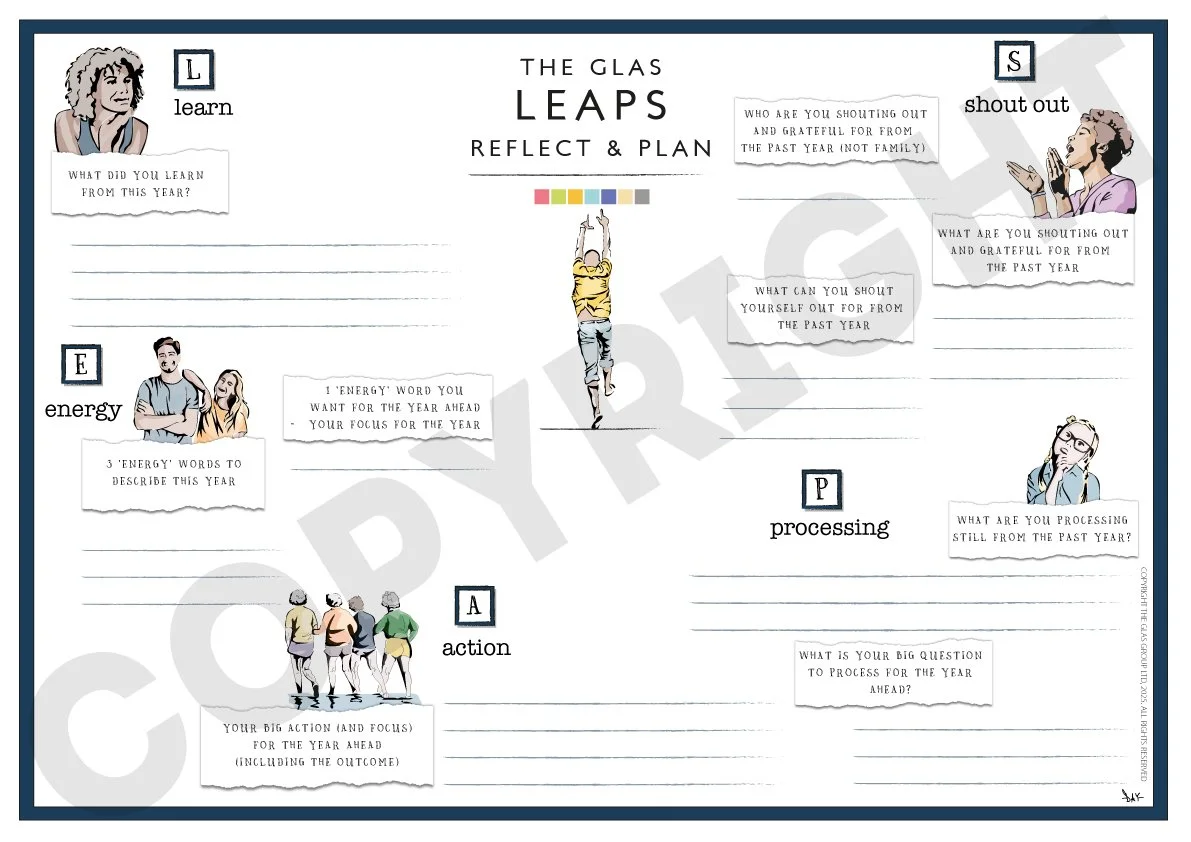
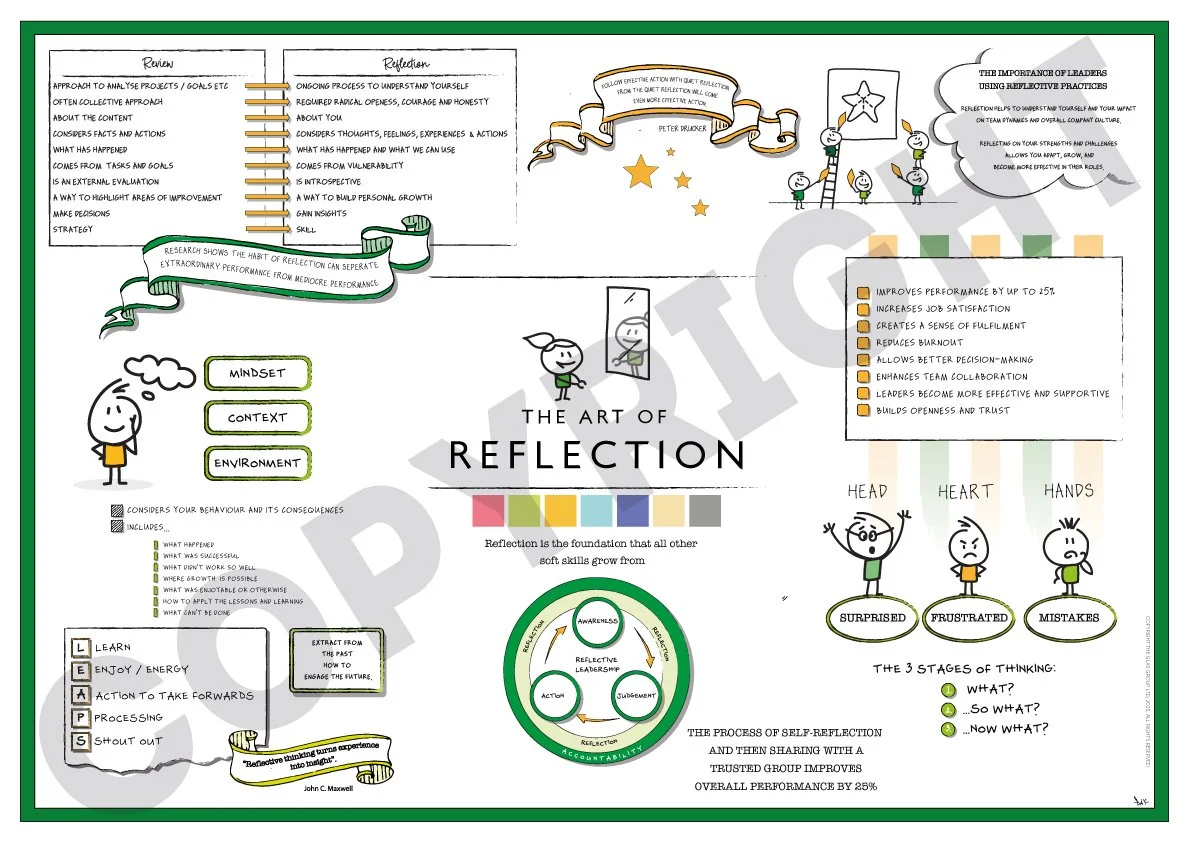
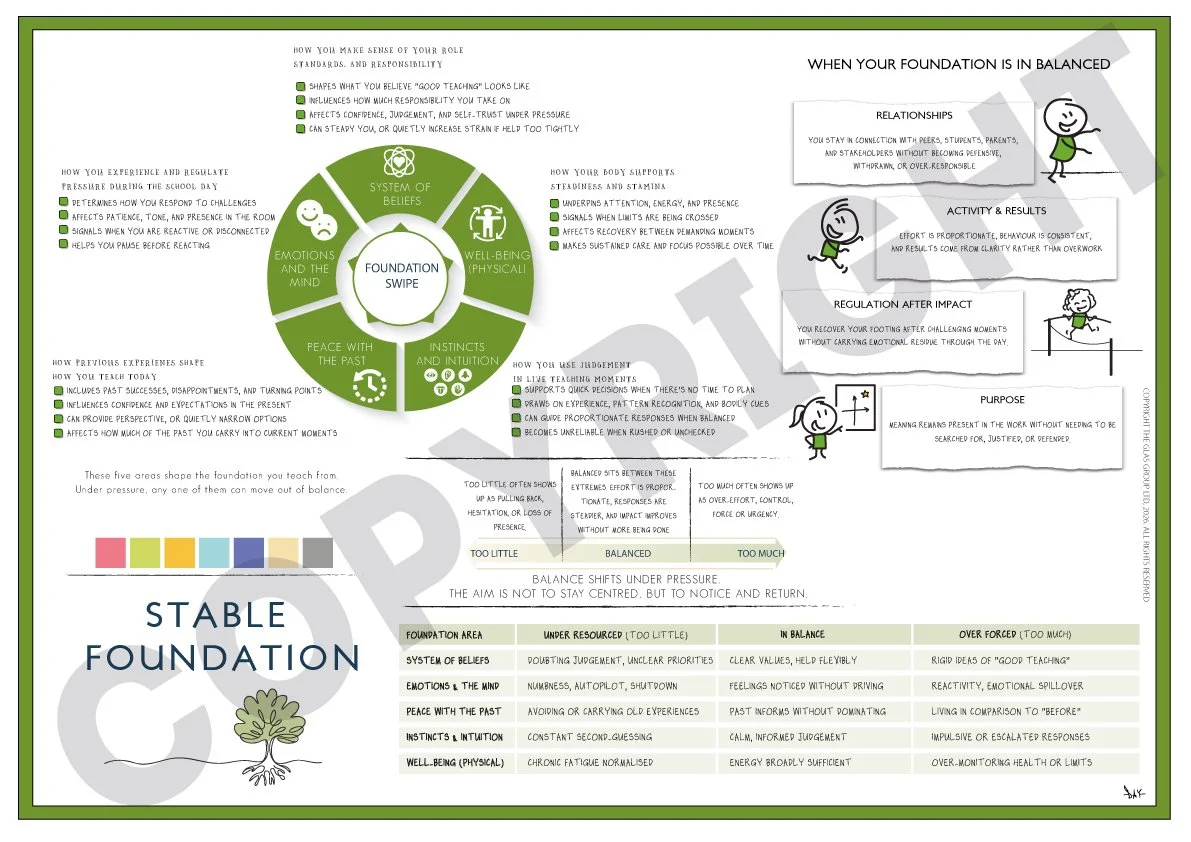
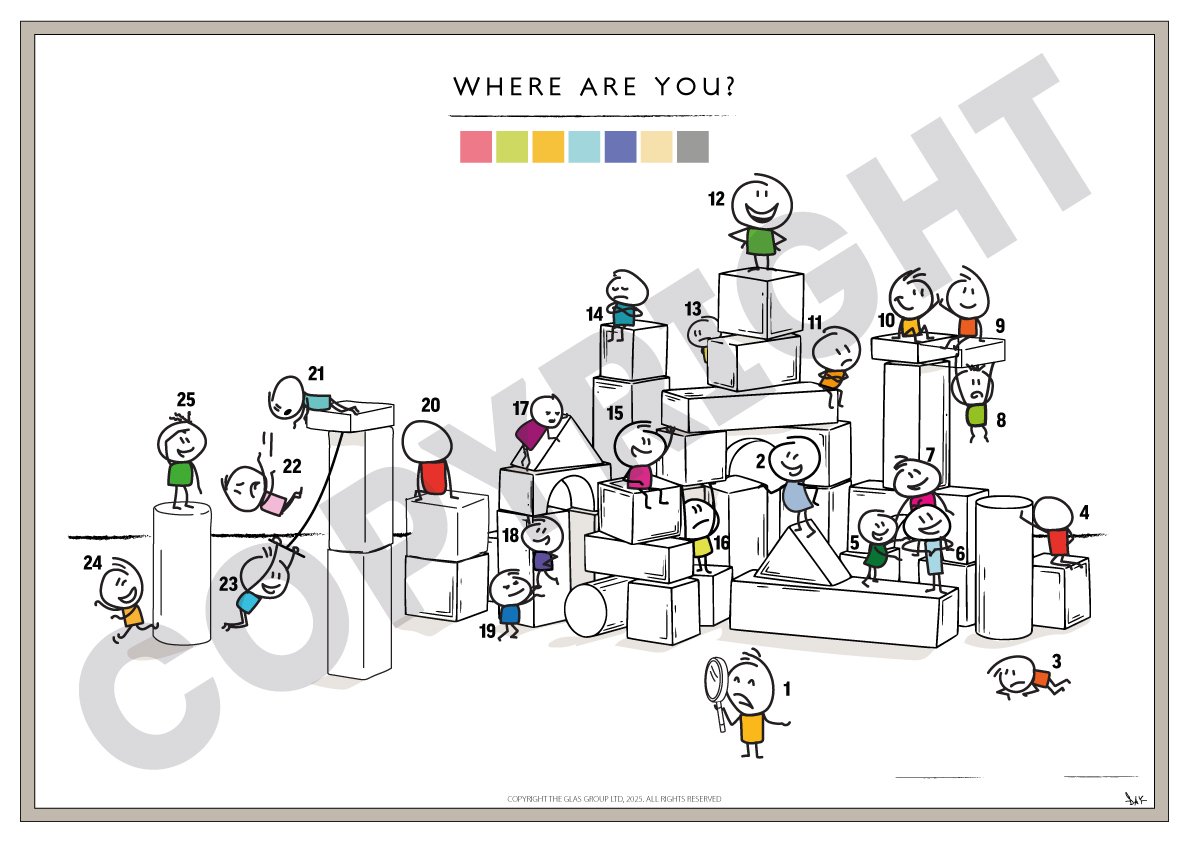
From a GLAS Method perspective, Where Are You begins with Emotions / Awareness and Reflection. Awareness of internal experience allows honest assessment of emotional, mental, and relational states, while reflection identifies patterns, gaps, and areas for alignment.
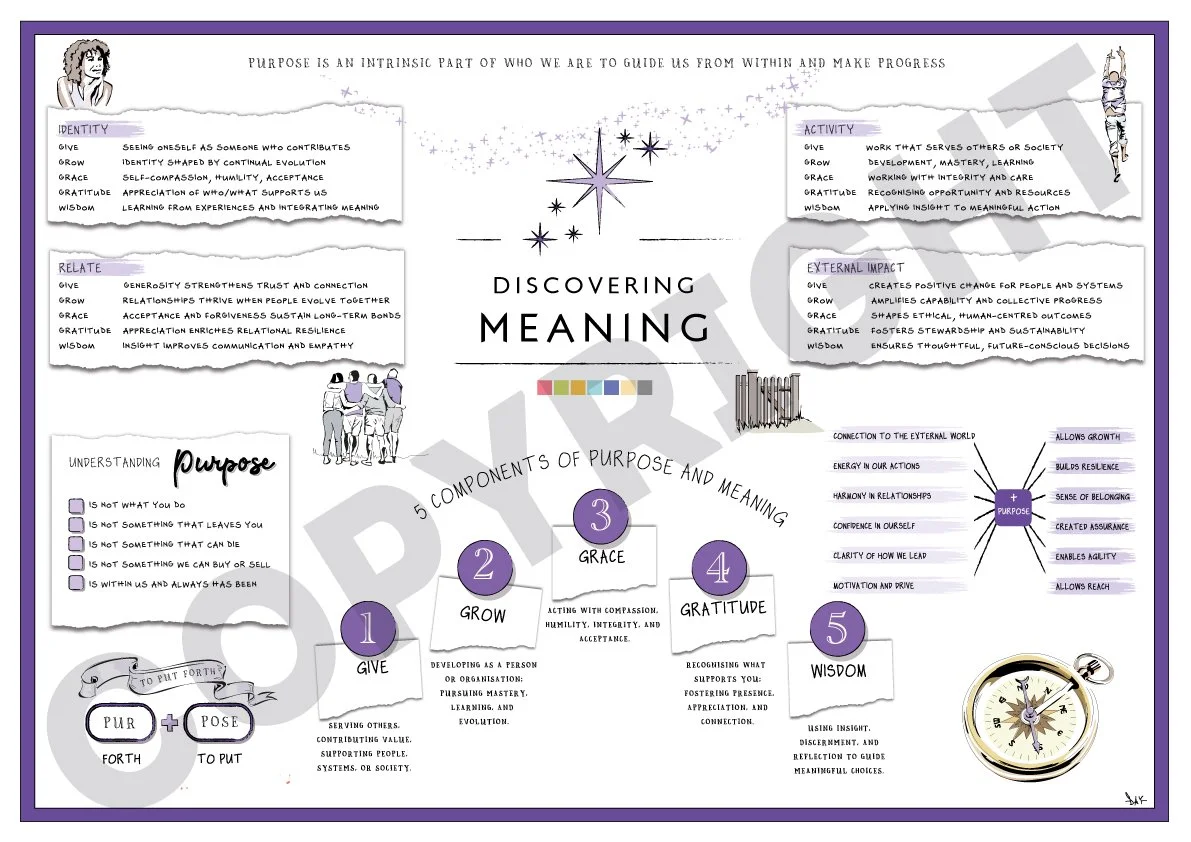
Self-assessment is strengthened through Energy / Vitality, Focus, and Purpose / Meaning. Understanding energy levels informs capacity for action, focus reveals where effort is concentrated, and purpose provides a lens to evaluate whether actions and relationships align with values and goals.
Finally, Where Are You is sustained through Community / Relationships, Joy / Fulfilment, and Growth / Learning. Honest assessment can be shared with trusted peers or mentors for feedback, reflection informs learning and development, and alignment with purpose increases fulfilment and coherence across life domains.
-
Personal Growth – Gain clarity on alignment with purpose and values.
Leadership & Team Awareness – Assess team alignment, energy, and dynamics.
Decision-Making – Inform choices based on current reality and goals.
Learning & Development – Identify areas for skill growth and behavioural adjustment.
Wellbeing & Fulfilment – Ensure energy and focus are directed toward meaningful outcomes.
-
Observe Current State – Track emotions, energy, focus, and relationships.
Reflect on Alignment – Identify where actions and goals are congruent or misaligned.
Identify Gaps & Opportunities – Highlight areas for adjustment or growth.
Plan Intentional Actions – Design steps to improve alignment and effectiveness.
Review Regularly – Maintain ongoing awareness and adaptation to changing circumstances.