 Image 1 of 1
-
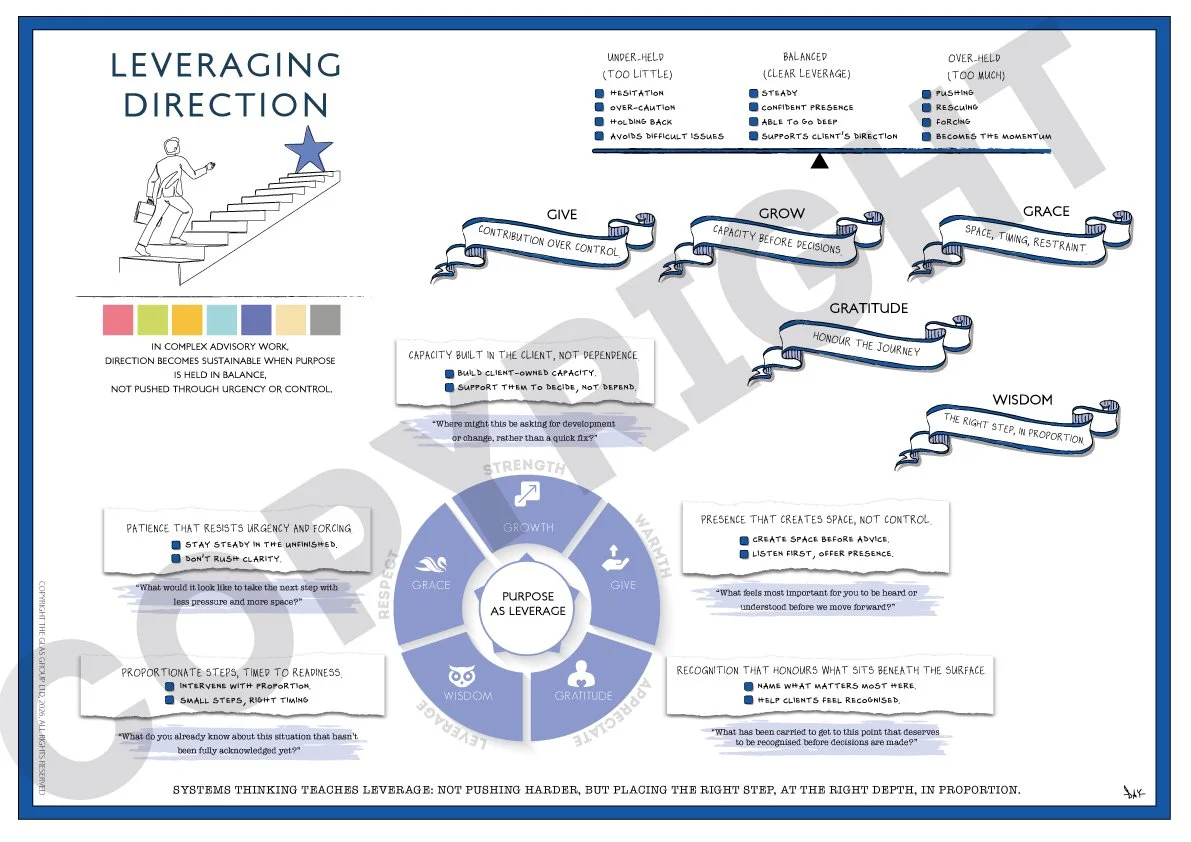
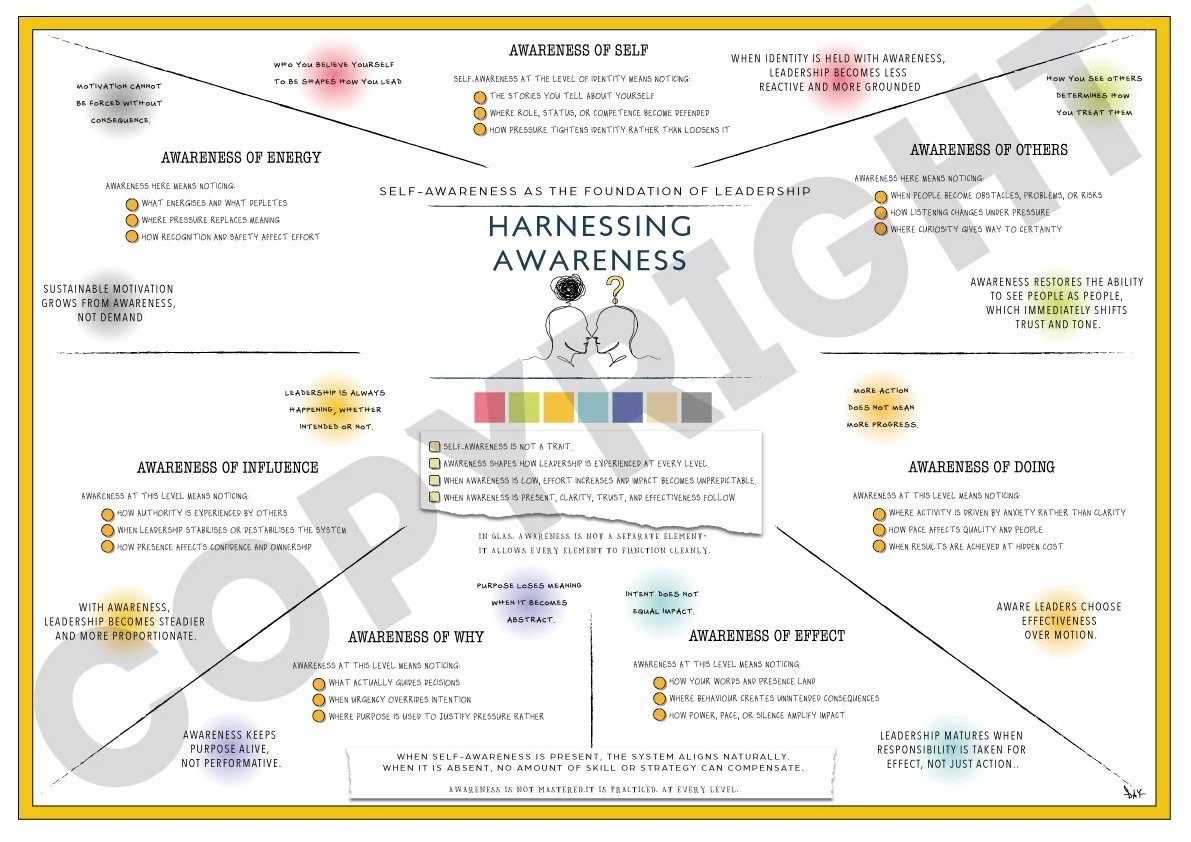
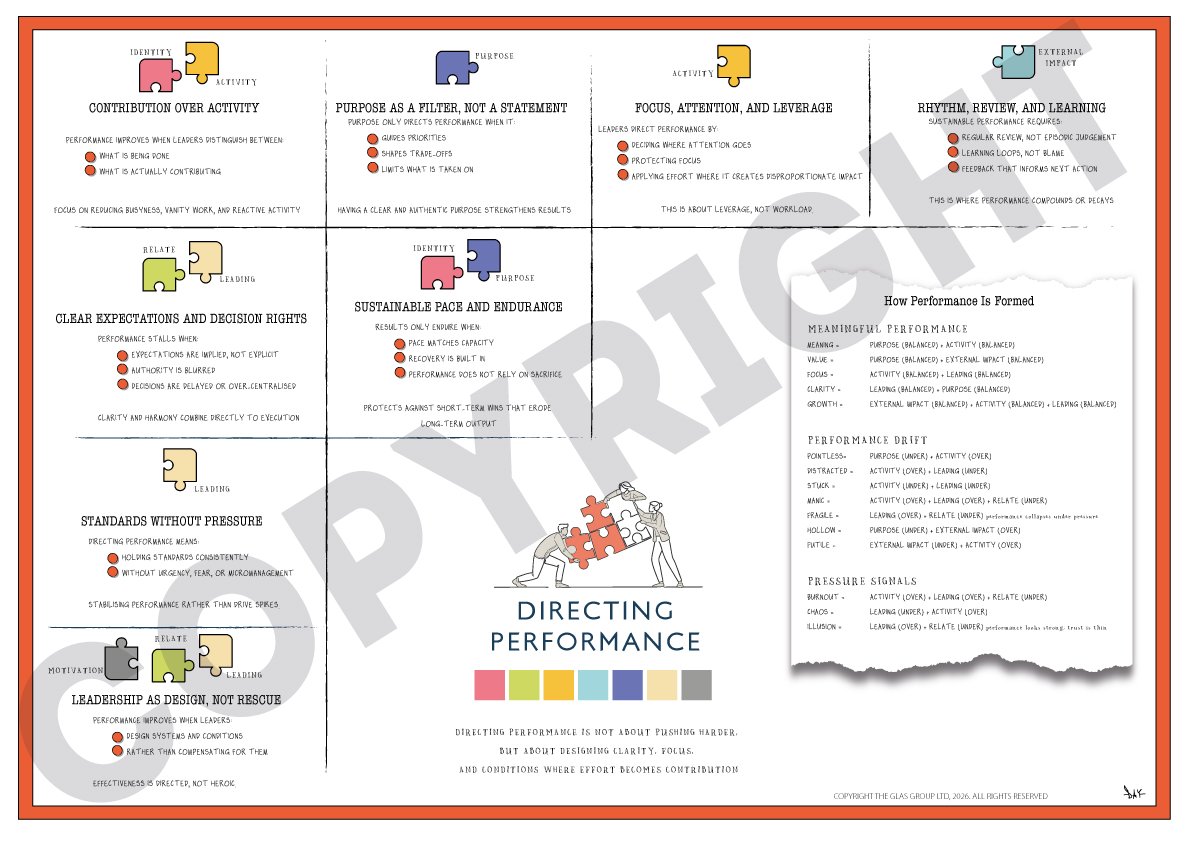
From a GLAS Method perspective, Directing Performance begins with Harnessing Awareness and Holding Focus. Leaders must understand their own strengths, limitations, and biases while keeping attention on what truly drives impact. Awareness prevents misaligned efforts and wasted energy.
The practice is strengthened through Shaping Relationships, Strong Connections, and Trust Conversations. Leaders who understand their teams, communicate clearly, and cultivate trust can direct performance without damaging morale or engagement. GLAS treats direction as relational as well as strategic.
Finally, Directing Performance supports Alignment, Compound Impact, and Energy / Vitality. When effort is coordinated, purpose-aligned, and monitored, performance is sustainable. Teams achieve results while maintaining engagement and resilience.
-
Team Leadership – Improve clarity and accountability across teams.
Project Management – Translate strategic goals into actionable tasks.
Performance Coaching – Guide individuals toward higher impact.
Change Implementation – Ensure alignment during transitions.
Sustainable Results – Achieve goals without draining energy or engagement.
-
Clarify Expectations – Define outcomes, standards, and priorities clearly.
Assess Team Capacity – Align roles, skills, and resources with goals.
Communicate & Build Trust – Ensure understanding and psychological safety.
Monitor & Adjust – Provide timely feedback and realign as needed.
Celebrate & Reinforce – Recognise achievement to sustain motivation.