 Image 1 of 1
-
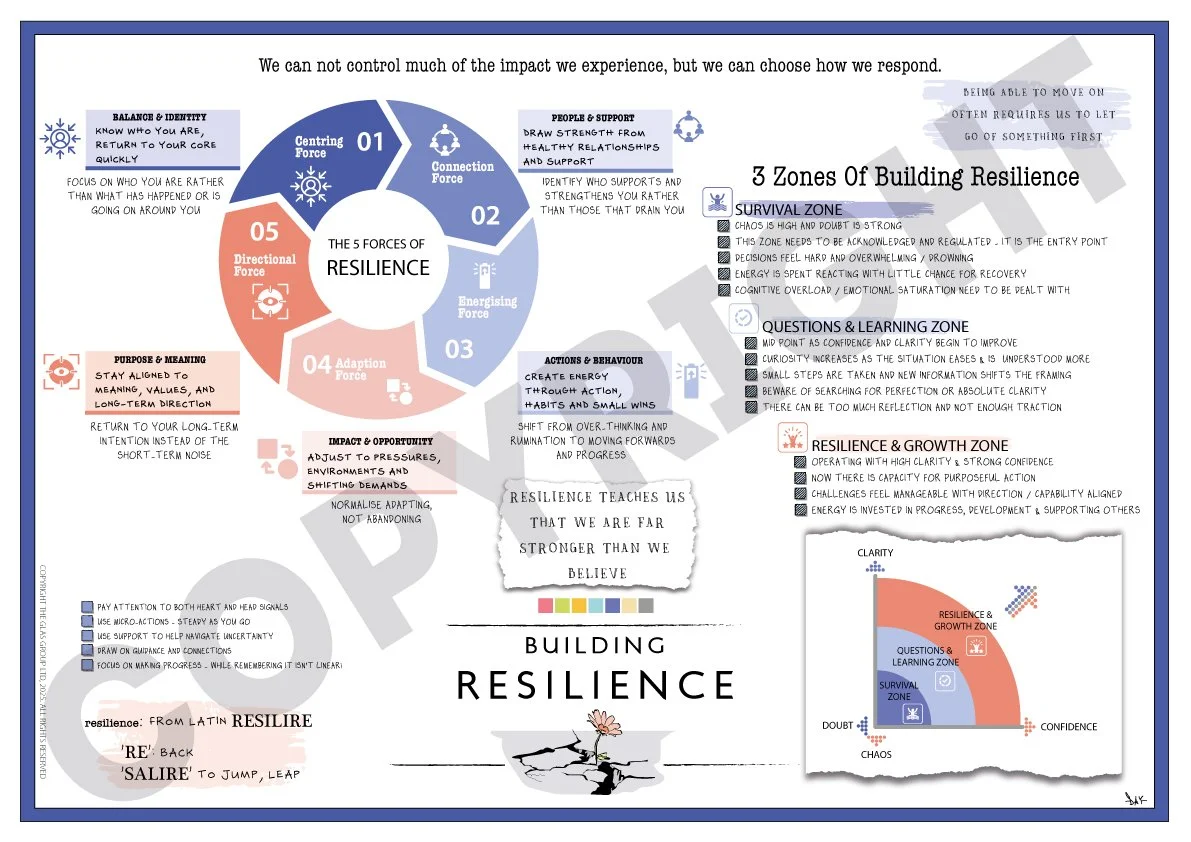
From a GLAS Method perspective, Building Resilience begins with Stable Foundation and Harnessing Awareness. Awareness of internal states, stress responses, and energy levels ensures that resilience is applied intentionally rather than reactively. Grounding creates a secure base from which to respond to challenges.
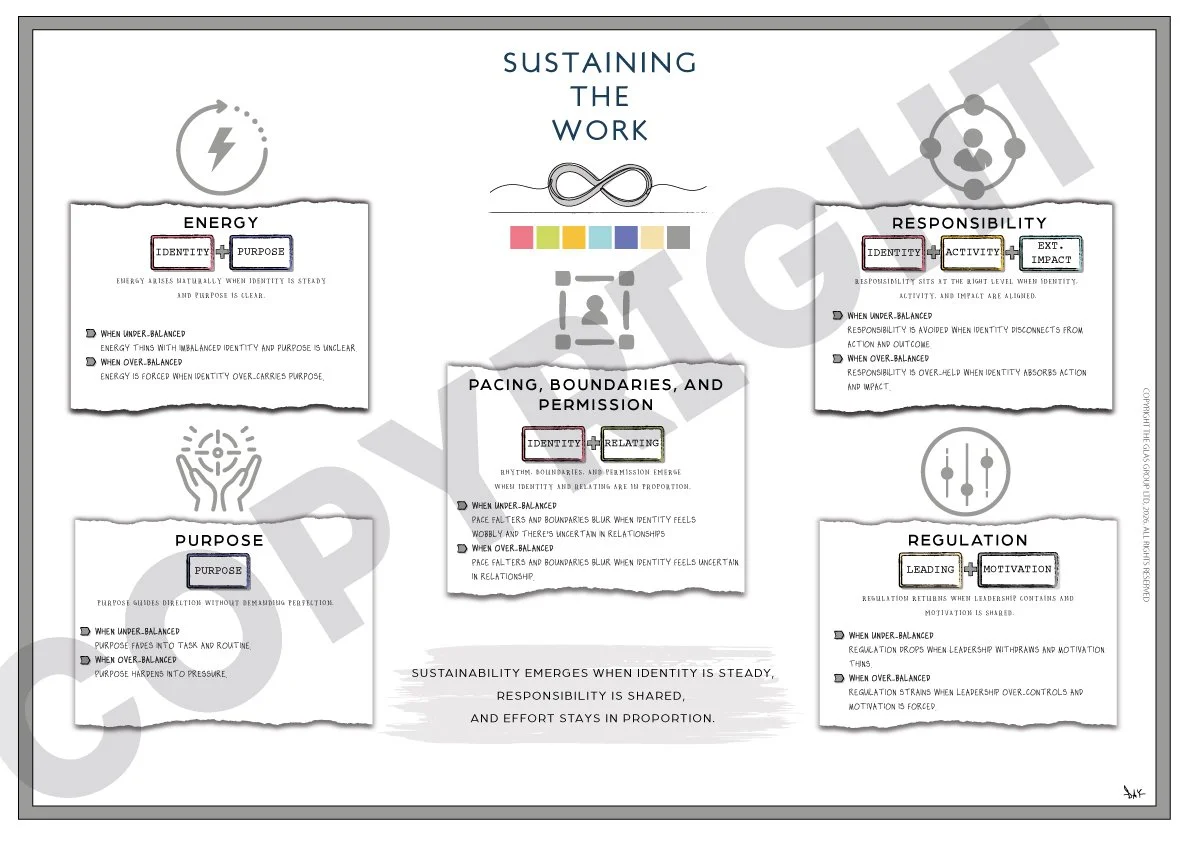
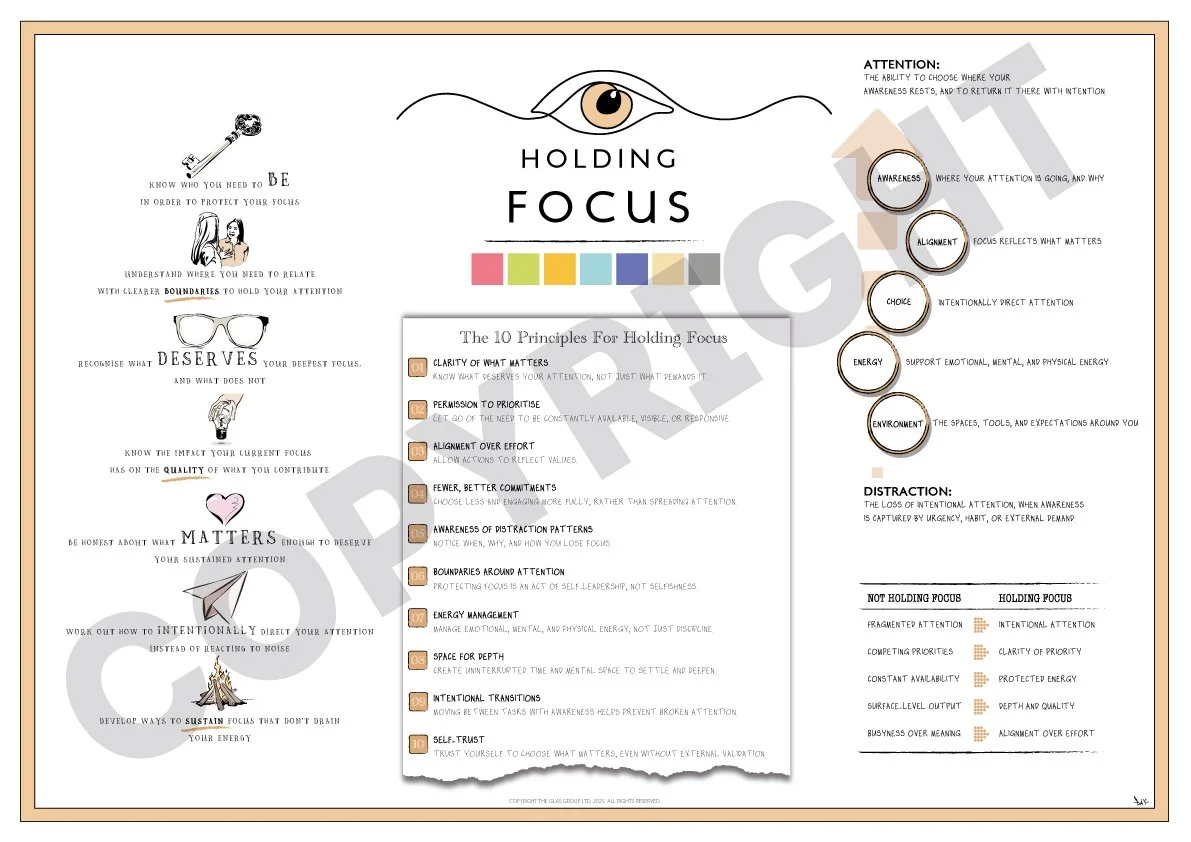
The practice is strengthened through Manage Your Energy, Holding Focus, and Self Acceptance. By balancing energy, focusing attention, and accepting limitations, individuals can sustain their resilience over time without burnout. GLAS treats resilience as both an internal skill and an applied practice.
Finally, Building Resilience supports Compound Impact, Alignment, and Purpose / Meaning. When grounded, each act of resilience reinforces confidence, energy, and capacity for future challenges, creating compounding benefits that sustain both personal and professional growth.
-
Personal Resilience – Maintain composure and adapt to stress.
Leadership Development – Model calm, grounded responses for teams.
Team Resilience – Build collective capacity to handle change and pressure.
Decision-Making Under Pressure – Respond thoughtfully rather than reactively.
Sustainable Growth – Turn challenges into compounding learning and strength.
-
Assess Baseline Stability – Identify stressors, energy patterns, and resources.
Ground Yourself Regularly – Use routines, reflection, and mindfulness to stabilise.
Apply Resilience Intentionally – Respond to challenges with awareness and purpose.
Protect Energy & Focus – Manage workload, attention, and recovery effectively.
Reflect & Integrate Lessons – Use experiences to reinforce confidence and capacity.