 Image 1 of 1
-
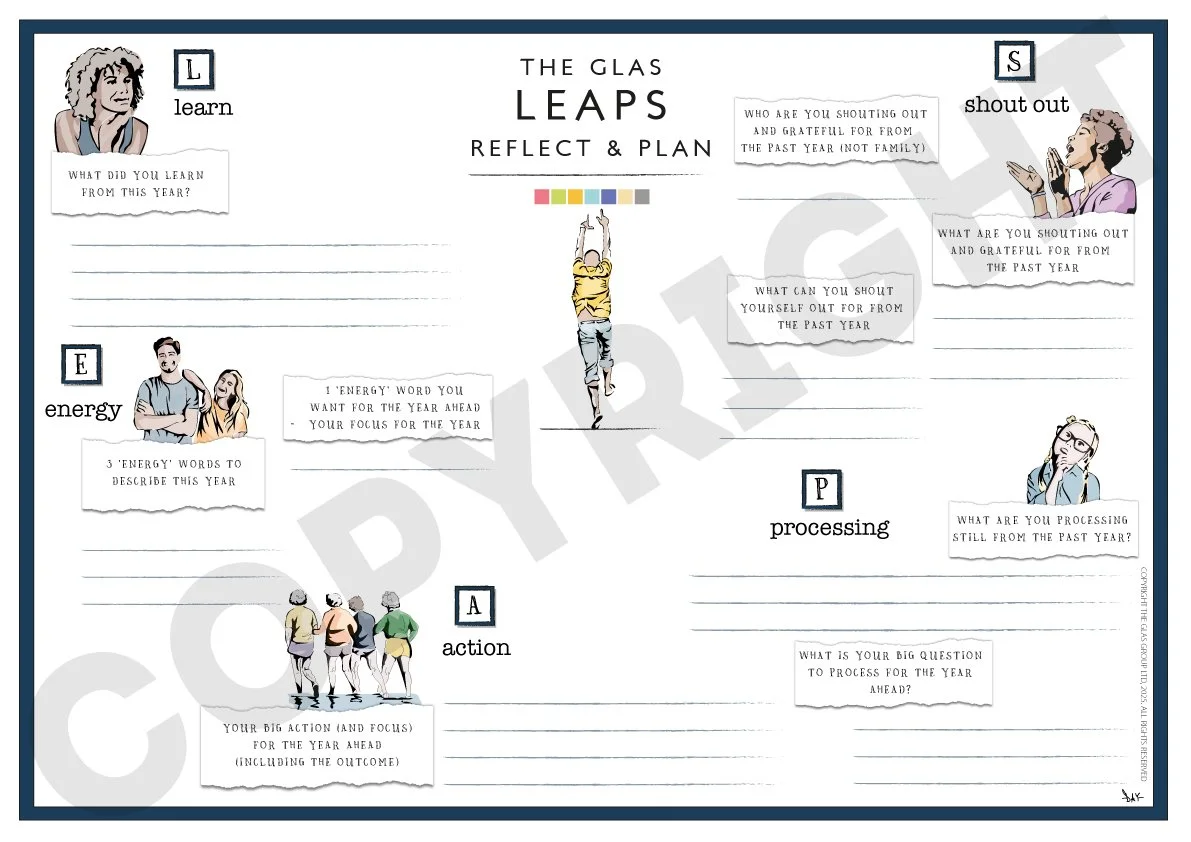
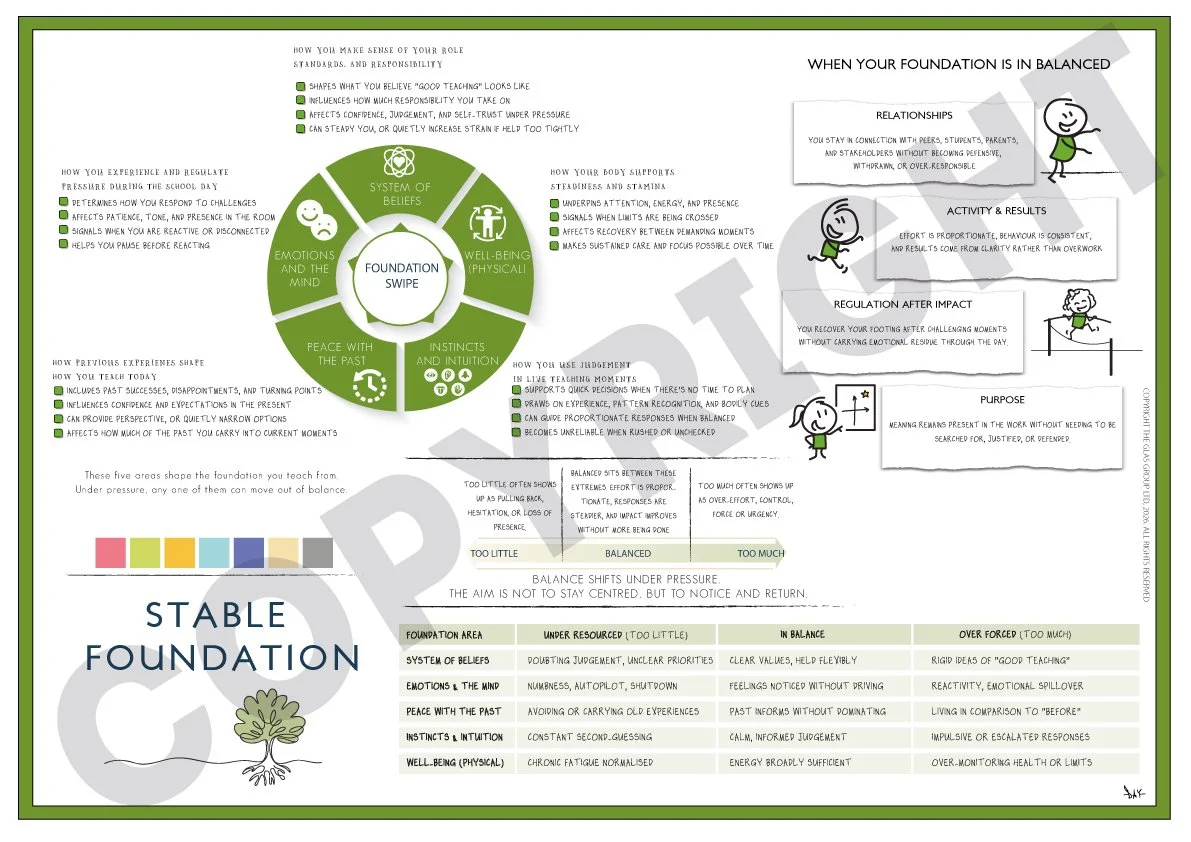
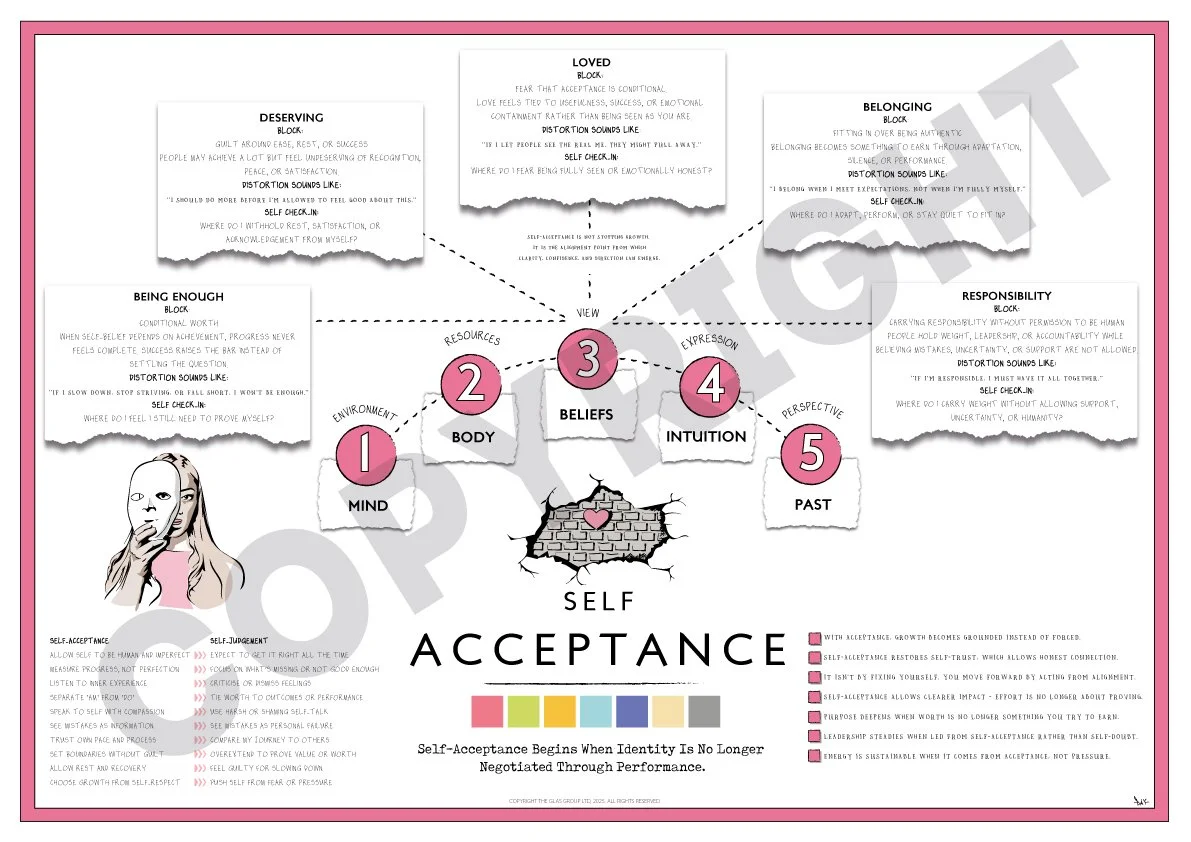
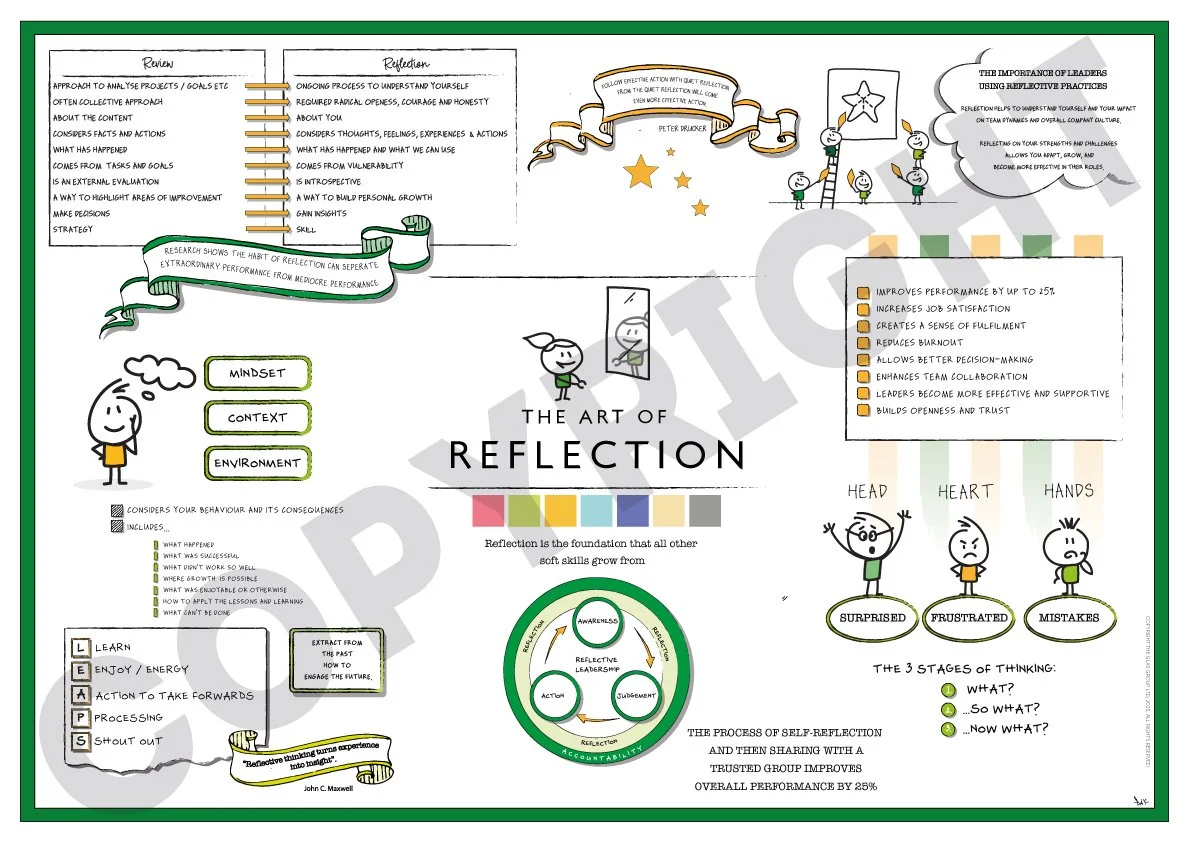
From a GLAS Method perspective, reflection begins with Emotions / Awareness, creating non-judgmental observation of thoughts, feelings, and physical states. This awareness interrupts reactive patterns and allows individuals to identify what is actually happening, rather than the story they are telling themselves. Reflection becomes the bridge between experience and choice.
The Art of Reflection also strengthens Growth / Learning and Relationships / Connection. By examining outcomes, assumptions, and interpersonal dynamics, individuals develop adaptive insight rather than repeating cycles. In relationships, reflective practice increases empathy, accountability, and psychological safety, enabling more honest and aligned connection.
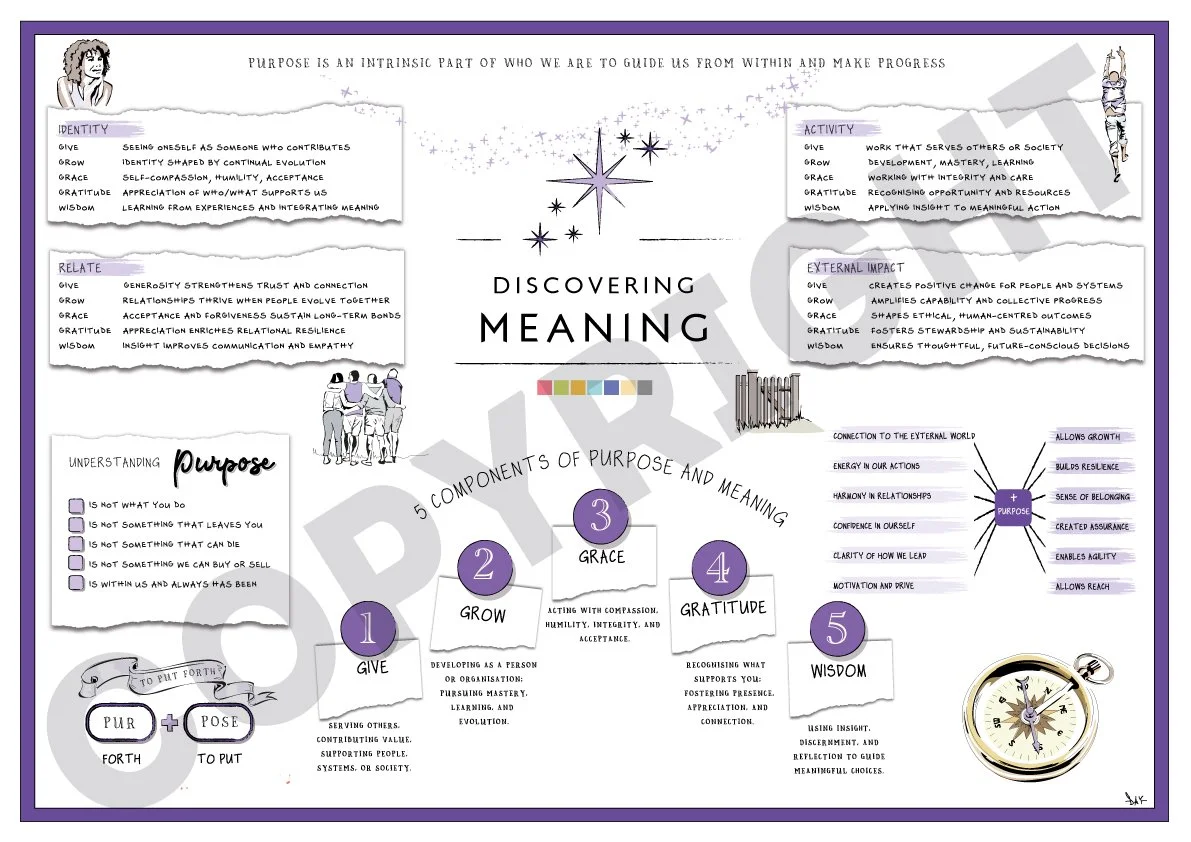
Finally, reflection recalibrates Energy / Vitality, Purpose / Meaning, and Joy / Fulfilment. When effort is reviewed through a purposeful lens, energy can be redirected away from friction and toward meaningful contribution. Joy emerges as coherence increases — not because circumstances are perfect, but because actions feel aligned and intentional.
-
Daily Self-Alignment – Prevent emotional carryover and reactive behaviour.
Leadership Practice – Improve decision-making and relational trust.
Coaching & Therapy – Deepen insight while maintaining psychological safety.
Learning & Development – Turn experience into growth rather than repetition.
Wellbeing & Resilience – Sustain clarity, energy, and fulfilment over time.
-
Create Space – Build regular pauses for reflection (daily or weekly).
Name the Experience – Identify emotions, energy, and context without judgment.
Identify Patterns – Notice recurring reactions, behaviours, or drains.
Reconnect to Purpose – Ask how this experience relates to what matters.
Choose the Next Aligned Action – Translate insight into intentional behaviour.