The Way Of Integrity (Martha Beck)

£4.00

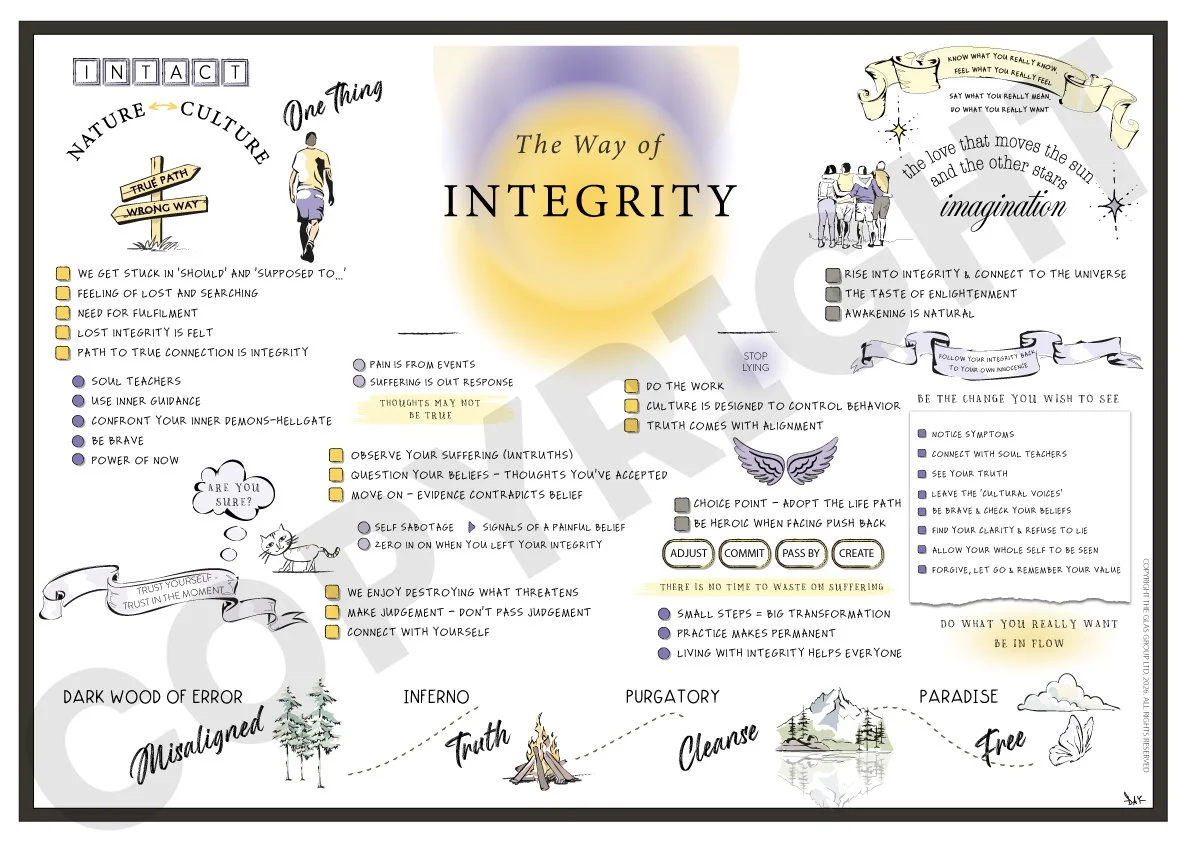
The Way of Integrity by Martha Beck explores the idea that much of human anxiety, confusion, and dissatisfaction comes from living out of alignment with our true selves. Beck describes integrity as being “whole” — when our actions, beliefs, and inner truth are in harmony. Drawing inspiration from The Divine Comedy by Dante Alighieri, she outlines a path for moving from a state of inner fragmentation toward authenticity. Through self-inquiry, honest reflection, and courageous change, the book encourages readers to recognize where they are living according to social expectations rather than personal truth, and to gradually realign their lives with what genuinely feels right.

The Way of Integrity by Martha Beck explores the idea that much of human anxiety, confusion, and dissatisfaction comes from living out of alignment with our true selves. Beck describes integrity as being “whole” — when our actions, beliefs, and inner truth are in harmony. Drawing inspiration from The Divine Comedy by Dante Alighieri, she outlines a path for moving from a state of inner fragmentation toward authenticity. Through self-inquiry, honest reflection, and courageous change, the book encourages readers to recognize where they are living according to social expectations rather than personal truth, and to gradually realign their lives with what genuinely feels right.

  • The Way of Integrity by Martha Beck explores the idea that clarity and wellbeing emerge when a person’s inner truth and outer actions are aligned. This mirrors a core principle within GLAS: when thinking, emotion, and behaviour move together, decisions become steadier and less reactive. Like many GLAS practices, the book emphasises the value of pausing to notice what is actually happening beneath surface pressure.

    The journey Beck describes involves recognising where we are living according to expectation rather than genuine direction. In GLAS terms, this resembles the work of Focus and Align—stepping back to observe reality, acknowledge what is no longer true, and reconnect with what feels authentic and sustainable.

    Ultimately, the book encourages small but honest adjustments that bring life back into alignment over time. This gradual movement reflects the GLAS approach to progress: clarity first, then thoughtful action. Rather than dramatic change, both perspectives highlight steady realignment as the path toward integrity and meaningful forward movement.