The Boy Who Was Raised As A Dog (Bruce D. Perry & Maia Szalavitz)

£4.00

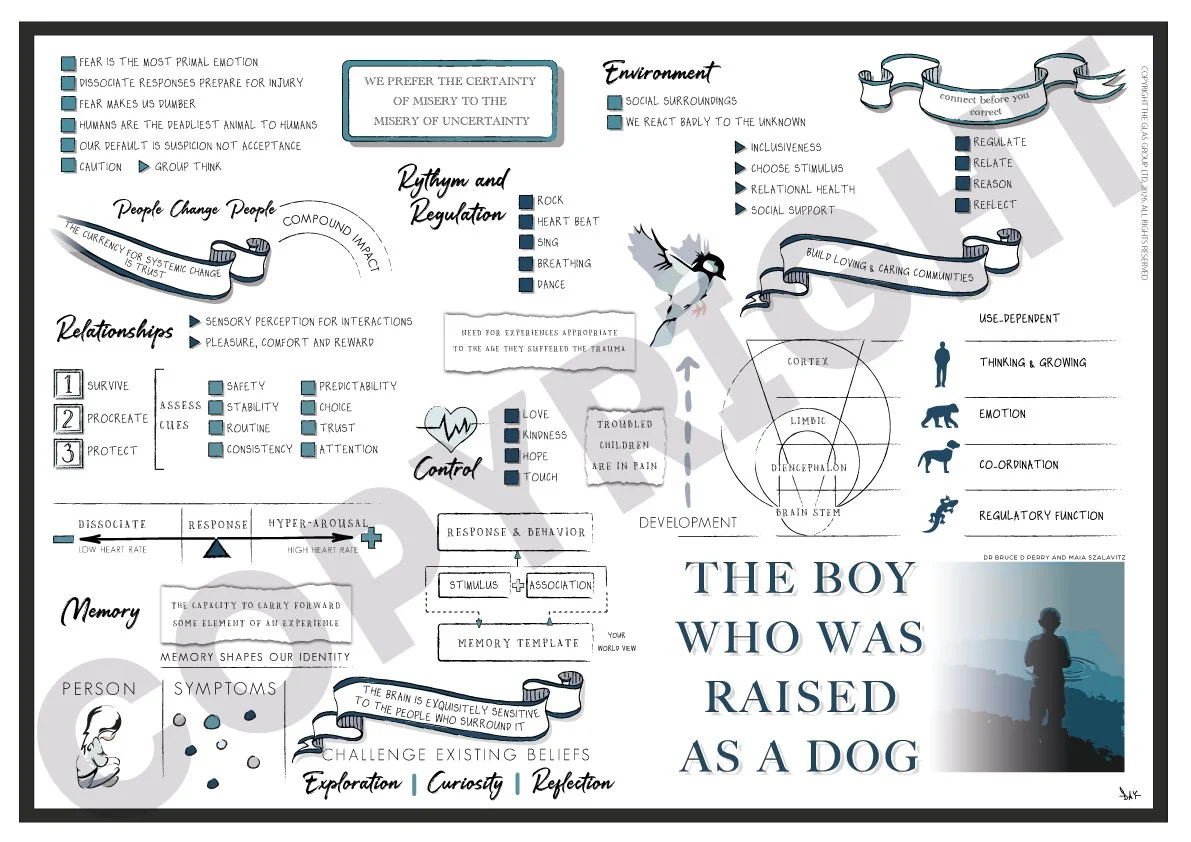
The Boy Who Was Raised as a Dog by Bruce D. Perry and Maia Szalavitz explores the profound impact of childhood trauma on brain development and behaviour. Through powerful case studies, the authors show how early experiences shape emotional regulation, attachment, and resilience — and how healing is possible through safety, connection, and attuned relationships. The book highlights the importance of understanding behaviour through a trauma-informed lens rather than judgment, emphasising compassion, context, and relational repair.

The Boy Who Was Raised as a Dog by Bruce D. Perry and Maia Szalavitz explores the profound impact of childhood trauma on brain development and behaviour. Through powerful case studies, the authors show how early experiences shape emotional regulation, attachment, and resilience — and how healing is possible through safety, connection, and attuned relationships. The book highlights the importance of understanding behaviour through a trauma-informed lens rather than judgment, emphasising compassion, context, and relational repair.

  • From a GLAS Method perspective, the book begins with Emotions / Awareness and Centredness. Perry’s work shows that traumatised nervous systems operate in survival mode, limiting access to reasoning, focus, and learning. GLAS similarly prioritises awareness and regulation before performance or change.

    The book deeply supports Strong Connections, Together, and Shaping Relationships. Healing occurs through safe, predictable, and attuned relationships — not through logic or punishment alone. GLAS treats relationships as regulatory systems that restore energy, trust, and capacity for growth.

    Finally, The Boy Who Was Raised as a Dog aligns with Resilience, Self Acceptance, and Purpose / Meaning. When individuals are met with compassion and structure, they regain curiosity, agency, and meaning. Growth becomes possible again — not by forcing change, but by rebuilding safety and rhythm.