

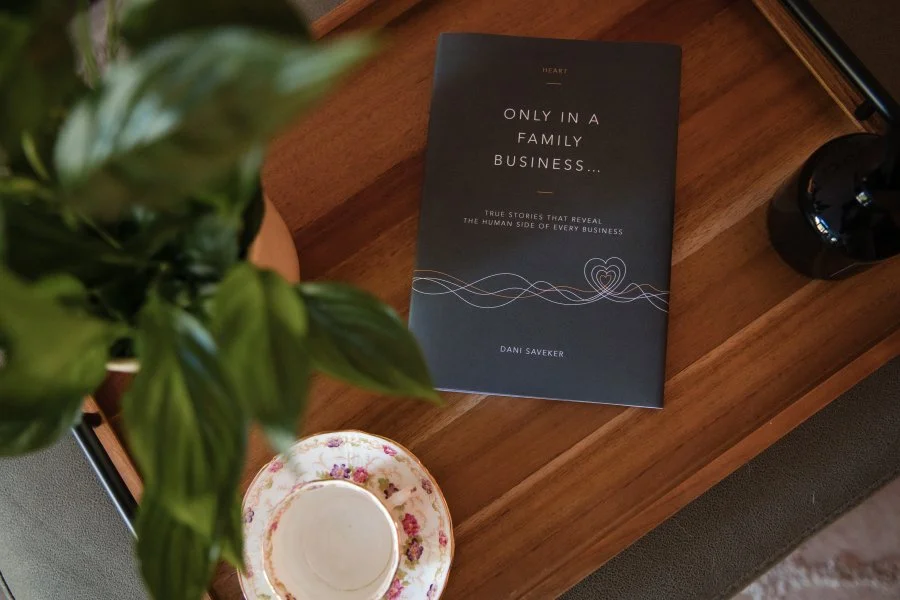
ENERGY WORD: belonging · BOOK: Only In A Family Business
Learn
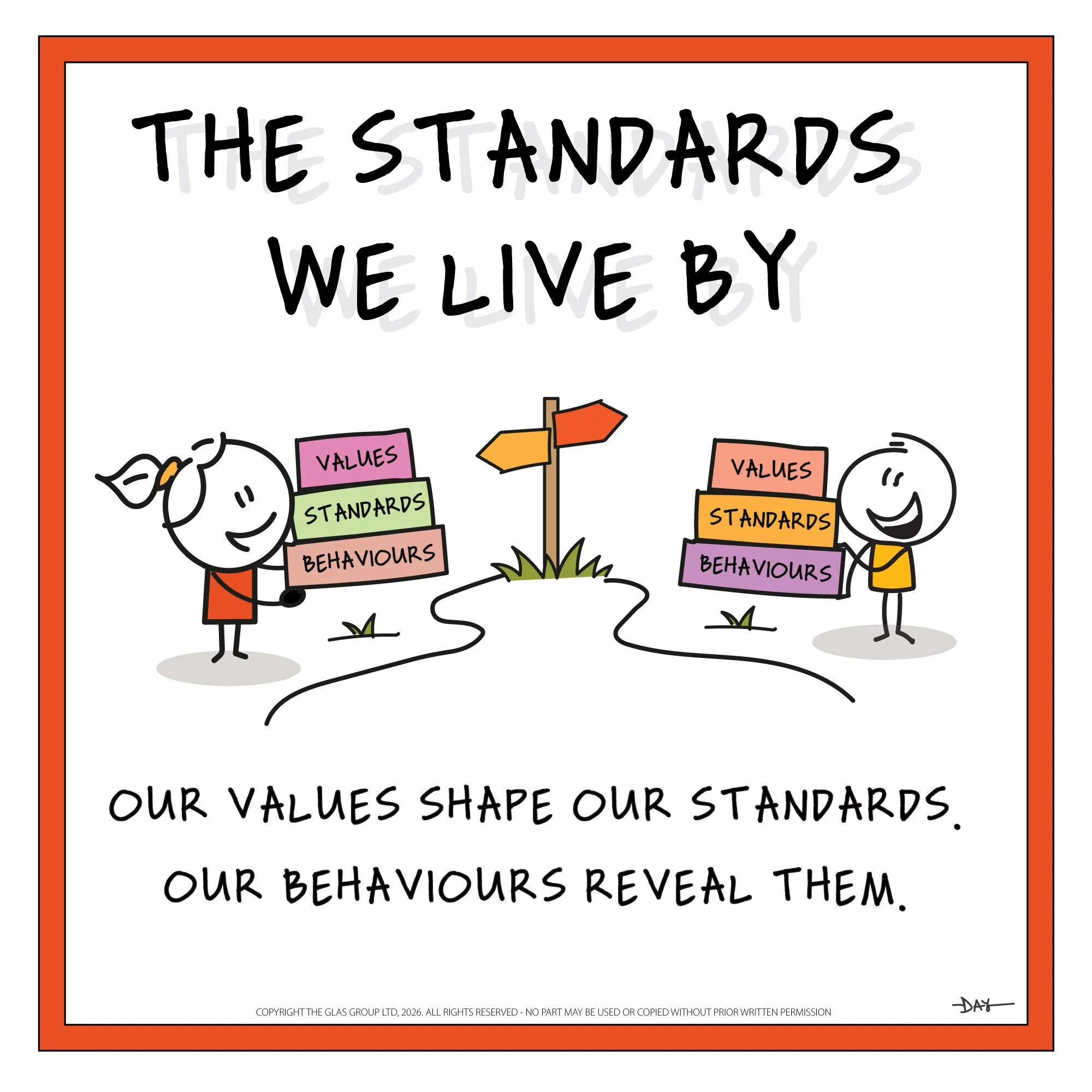
The Standards We Live By
I've been thinking a lot about standards recently - the ones I set.
When I was running our family business, Savekers, people would sometimes say of someone, “Cut him open and he'll bleed Savekers.”
It was the ultimate expression of loyalty.
But when the business closed in 2009, I discovered that some relationships I'd believed were friendships were really relationships of association. People disappeared. What I'd interpreted as loyalty to the business, or even to me, was sometimes loyalty to the security and income it provided. It hurt deeply.
I understand that better now. When people enter survival mode, protecting themselves and their families naturally becomes a priority.
More recently, different experiences have brought me back to a similar question.
When you've known someone for years, supported them, worked alongside them or been their customer, is it unreasonable to expect a certain standard of behaviour in return?
I don’t mean special or preferential treatment. Simply courtesy, honesty, consideration and respect.
I was talking to someone recently and wondered aloud whether my own standards were simply too high, and I was unfairly expecting others to meet them.
She didn't think so. She suggested that sometimes people are simply rude, uncaring or transactional.
At what point do we start lowering our expectations of others rather than questioning their behaviour?
Our standards reflect our values. They shape how we behave, how we treat people and what we expect in return. But sharing a history or relationship doesn't necessarily mean sharing the same values or standards.
Of course, people have different priorities and pressures, and we can't expect everyone to behave as we would.
But surely basic courtesy, honesty and respect shouldn't be considered exceptional.
I've concluded that the answer isn't to lower our standards, but to recognise that not everyone shares them, and make more conscious choices about where we invest our time, trust and energy.
Having high standards doesn't mean expecting perfection. It simply means expecting people to treat others well, professionally and personally.
ENERGY
Respect
From the Latin respectus, meaning “regard” or “a looking at”, derived from respicere - to look back at, regard or consider.
I love that the origins of respect include the idea of looking back.
I think respect is partly about remembering the person, the relationship and the history, rather than seeing someone only through the lens of what they can offer us today.
Respect doesn't require agreement or obligation. It simply asks us to consider the ‘whole’ person in front of us.
ACTION
Show Them Respect
This week, make a conscious effort to show someone respect through your actions.
You might reply to a message you’ve left unanswered, or send a thank-you note to someone for their time. It might simply be following through on something you’ve promised, or acknowledging someone when there’s nothing you need from them.
Small actions, perhaps - but they can make a big difference to how someone feels they're valued.
PROCESSING
What experiences and people have shaped the standard I hold for myself?
And how has this influenced what I expect of others?
SHOUT OUT
Being In The Room
I was talking to a lovely lawyer a few weeks ago who reminded me of something we risk losing in an increasingly virtual world - the power of simply being in the room.
We discussed the difference between being on Teams or Zoom, versus physically alongside others. Listening to conversations, observing behaviours, picking up on the little things that are rarely written down or formally taught.
He talked about the importance of younger practitioners spending time alongside those with years of experience. Learning almost by osmosis.
So much of what we learn comes from being around people, often not because they’re doing anything spectacular, but simply because we’re there.
We absorb their standards, judgement, behaviours, language and ways of treating others.
Sometimes the most valuable thing we can do is simply be in the room.
THIS WEEK’S GIFT
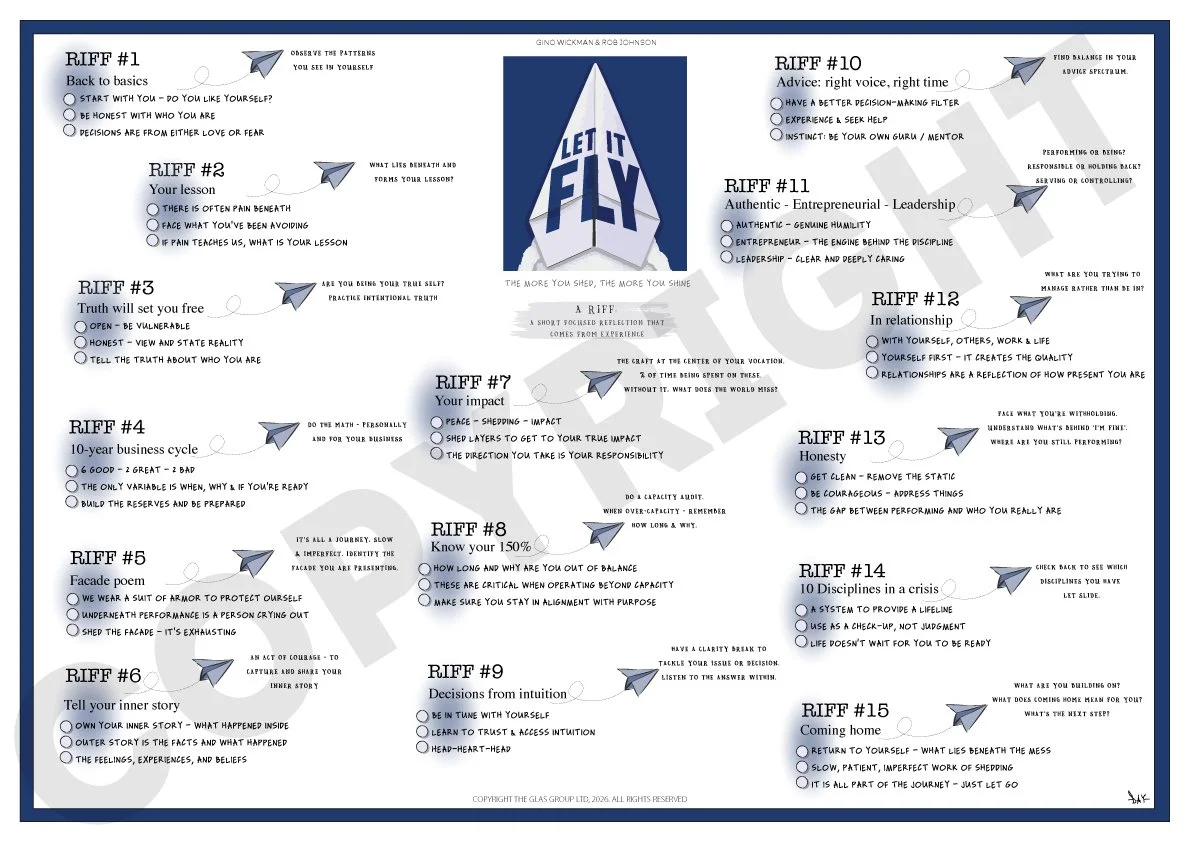
Let It Fly
(Gino Wickman & Rob Johnson)
Free visual synopsis download for the next seven days with the code at checkout:
15RIFFS
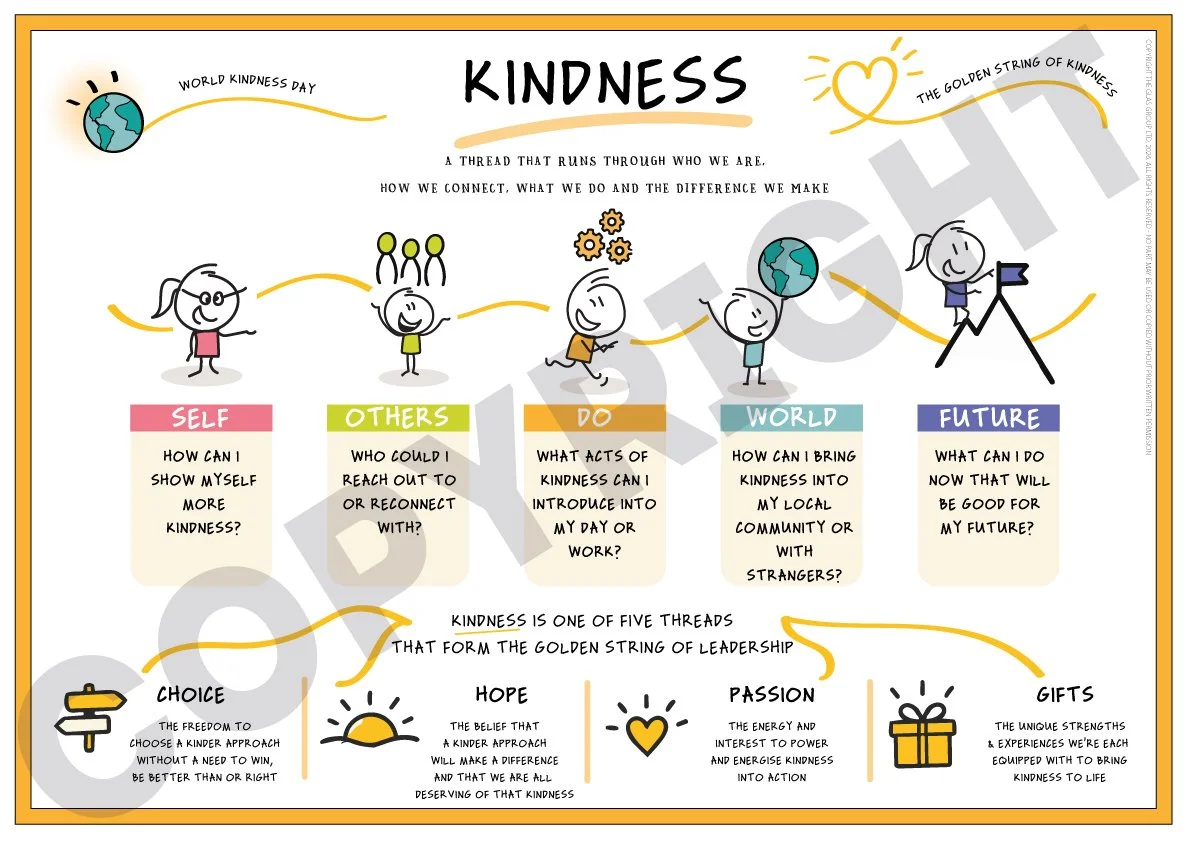
A bonus for you this week is the Kindness poster created for World Kindness Day (13th November).
No code required as given with kindness and free of charge.
FROM STORIES TO LEGACY
Last week, I reflected on the stories we hold and the people who become part of them.
This week, I've been thinking about what happens beyond those stories.
The people may move on. The chapters may close. But something of them remains in the way we think, the choices we make and the way we treat others.
Perhaps that's how our stories become someone else's legacy.
Thanks for reading. Until next Wednesday!
